
Kidney Cancer
Understanding Kidney Cancer
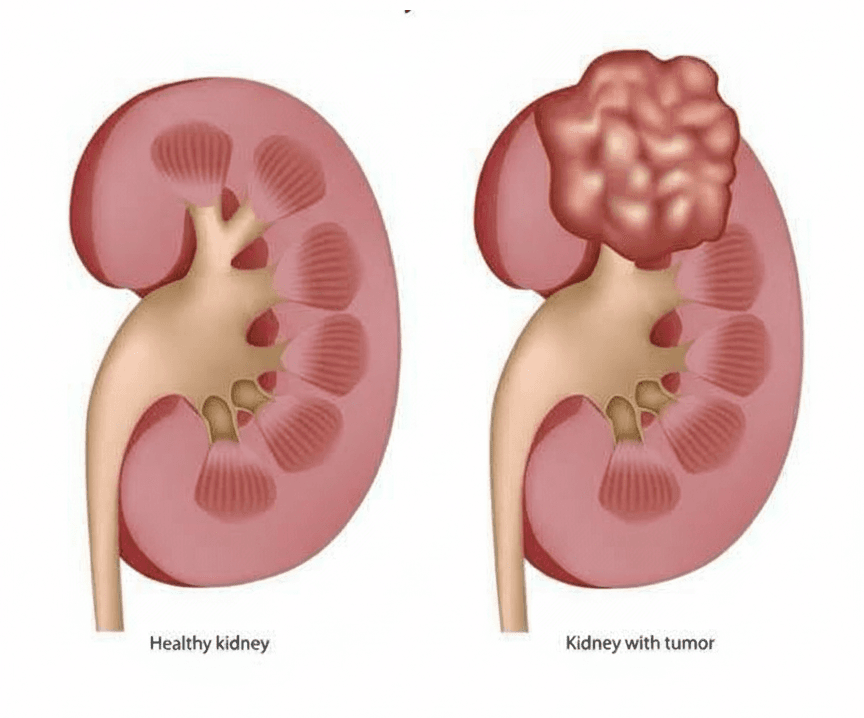
Kidney cancer begins in the tissues of the kidneys, most commonly in the filtering units that clean your blood. It often grows silently at first and is sometimes found during routine scans for unrelated issues. Modern diagnostic tools help detect even small tumors early, and today’s minimally invasive robotic and laparoscopic techniques offer effective treatment with excellent long-term outcomes. With timely evaluation, kidney cancer is highly manageable.
Early Warning Signs
Many people don’t notice symptoms early, and that’s completely normal. When symptoms do appear, they’re usually subtle — easy to dismiss when life is busy.
Some warning signs include:
- Blood in the urine, even once — it’s scary, but it deserves attention.
- A persistent dull ache or heaviness in the side or lower back.
- Feeling unusually tired or low on energy, even after rest.
- Unexplained weight changes that don’t match your routine.
- A sense of fullness or a small lump on one side of the abdomen.
These symptoms don’t always mean cancer, but they do deserve gentle, timely evaluation.
Causes & Risk Factors
Smoking, obesity, high blood pressure, long-standing kidney disease, and family history increase risk. Certain workplace chemical exposures may also contribute.
Diagnosis
Diagnosis typically includes ultrasound, CT scan, or MRI to visualize the tumor. Blood and urine tests evaluate kidney function. In select cases, a biopsy helps confirm the cancer type.
Treatment
Most kidney cancers are treated with robotic or laparoscopic partial nephrectomy, where the tumor is removed while preserving the rest of the kidney. Larger tumors may require a radical nephrectomy. Minimally invasive surgery reduces pain, blood loss, and recovery time.
Recovery & Life After Treatment
Patients usually return home in 2–3 days and resume activities within weeks. Long-term monitoring includes imaging and kidney function tests. Staying hydrated, avoiding smoking, managing blood pressure, and maintaining a healthy weight supports long-term kidney health.